|
VOCATIONAL
SKILLS TRAINING
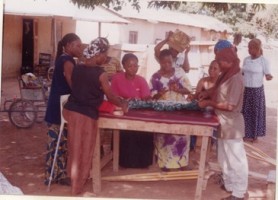
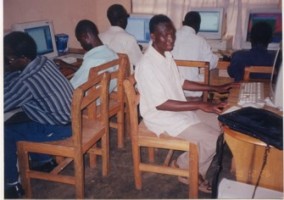
In Tamale metropolis the organisation
implemented a project on the theme ‘Empowering PWDs through vocational
training. This training was able to trained 48 PWDs, 10 in dressmaking, 10 in
batik tie and dye and 28 in computer skills training which were for GAB, GSPD,
and GNAB. The trainees were also provided with entrepreneur skills, packaging
and customer care, basic accounting skills, awareness of RHR and PWDs rights. The organisation also provided the trainees
with sewing machines and capitals as income generation to help them start their
business.

HIV/AIDS
AWARENESS
From 2008 to 2009, the organisation implemented
two years project in Yendi municipality on the theme ‘Community education on
HIV/AIDs prevention and awareness creation among PWDs in twelve rural
communities in the municipality. The project targeted PWDs in the communities
to educate them on the HIV/AIDS prevention and measure to control themselves
against these diseases. In the first year, the organisation sensitizes the
groups on sexually transmitted infection, good information about HIV/AIDS, STI
and how to protect themselves and enjoy healthy sex were discussed and in the
second year 30 PWDs trained as peer educators to educate their colleagues on
HIV/AIDS/STI prevention and protection.
CLADDING
OF SIX CLASSROOMS
In Tamale metropolis the organisation has
Cladded six classrooms in Tugu community to improved quality teaching and
learning and to ensure excellence in measuring learning outcomes in rural
communities. The purpose of the project was to prevent school children and
teachers from bad weather and its accompanying effects on teaching and learning
in the school..
HUMAN
RIGHTS PROJECT
The organisation has implemented human rights project
to create awareness and sensitize disability groups to improve their access to
justice, education and health care needs. It also formed and trained Disability
Network to advocate on behalf of their members in the communities at the
district level. The project advocated
for accessibility of public buildings and services to PWDs in the districts;
increase the participation of PWDs in justice and reconciliation mechanisms and
ensure that PWDs are included in peace, recovery and development programs
carried out by the district assembly and other service providers.
The
project also advocated for the district assembly to include a budget line for
PWDs especially their 2% in the District Assembly Common Fund. The groups are
working with their various districts for an increase of this budget allocation
and easily accessibility. It also campaigned against domestic violence for
Persons with Disabilities. The Students, teachers, community members and
village authorities marched together to raise awareness and end all forms of
domestic violence within families and the community against Persons with
Disabilities. This was implemented in Nanumba North and South districts in the
northern region of Ghana

CONSTRUCTION
OF TEACHER’S QUARTER
In Tamale metropolis the
organisation has constructed four bedrooms and a hall for teachers to improved
quality of teaching and learning and to ensure excellence in measuring learning
outcomes in rural communities. The purpose of the quarters was to prevent
unnecessary expenditure of transportation and also to reduce absenteeism of
teachers in the school from Tamale to the community.
MDGs MONITORING AND AWARENESS

SANITATION
The organisation
implemented a project on the theme improving sanitation facilities in schools
and has constructed 10 seater KVIP toilet facilities and two urinal pit for
Methodist primary in Tamale to improve the situation of school children vulnerable
to diseases transmitting from sanitation issues.
EDUCATION
Assuring the right to quality education
Girls in northern region which is known for its huge gender gap in literacy,
now enjoy better access to quality education through an array of interventions
aimed at improving the learning environment. Working with the ministry of
education, the organisation has promoted girls’ education through investments
in classrooms and learning aids. The organisation also worked with parents to
try to change some of the attitudes that consider girls’ education unimportant.
The project also encourages communities to set up schools, send
their girls to schools, retain them and improve the quality of their education.
These school-based students centered interactive and “child to child”
teaching-learning approaches were also used in the schools. The project also
used formal examinations to assess the learners' achievement in the schools and
to ensure quality teaching and learning outcomes. The project aims were to:
- Support government efforts to achieve education for all.
- Reduce mass illiteracy and contribute to the basic education of
the poorest children.
- Ensure that adolescents carry on education and increase life
skill knowledge.
- Involve communities in the management of schools and mobilize in
favor of girls' education.
- Create employment
opportunities for local women as school teachers

|