|
CURRENT PROJECT
HOME BASE CARE THROUGH NUTRIENTIONAL SUPPORT TO PLHIV
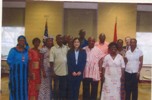
The organisation is implementing a
project on the theme nutritional support to People living with HIV/AIDs at
Shekinah clinic in the Tamale metropolis in the northern region of Ghana to
improve their nutritional status. The project is supporting 200 PLHIV in the
clinic with food items drugs, cloths, counseling and education on nutritional
issues. The project is also educating selected hotspot and community members on
the importance to fight against the conditions that lead to the discrimination
of People Living with HIV/AIDs which is a high incident that kill majority of
HIV patients in their communities and therefore people or community members has
to change their perceptions, attitudes and other practices that hinder their
freedom of living with their families and community as a member of their society.
The organisation also used the opportunity to educate the PLHWA’s on the
strategies they will adopt to reduce stigma and prevention of the spread of the
diseases to others. The following are immediate outcomes during the
implementation of the project
- 200
PLHIV 45 men and 155 women were
reached with food items
- 200
PLHIV have been prevented from hunger
and other social vices such
as Prostitutions, streetism etc
- The
project also has inspired and bring
hope to the PLHIV
- 178
PLHIV of beneficiaries were reached with education on the causes of
nutritional problem and strategies to prevent stigma and discrimination
- 1,079
community members and sexually workers were reduced with stigma campaigns
HEALTH
PROGRAM UNDER HYGIENE AND SANITATION
In Nanumba North and South districts the organization is implementing
a project on Behavior Changed Communication (BCC). This is developed to deliver
the right messages at the community through the right channel. BCC is a
participatory process for increasing the number of people benefiting from
enhancing hygiene-related awareness and knowledge. Hygiene is essential to the
public health mission of reducing the transmission and consequences of
disease. This initiative offer health
services to as many people as possible by providing services through different
tiers in the community.
This program is
formulating Information, Education and Communication (IEC) activities to
increase awareness among communities and also guiding them to use the health
services. This program is addressing these issues through interpersonal
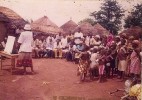
communications (IPC), group discussions and community events. The Community
Health Workers (CHWs) are the main resources for the IEC activities at the
household level. The program is also motivating the community to support and
use health services, the program also conduct male and female group meetings
(health forums) in the communities. During these meetings, people from various
professions (religious leaders, teachers, etc.) participated
 |